
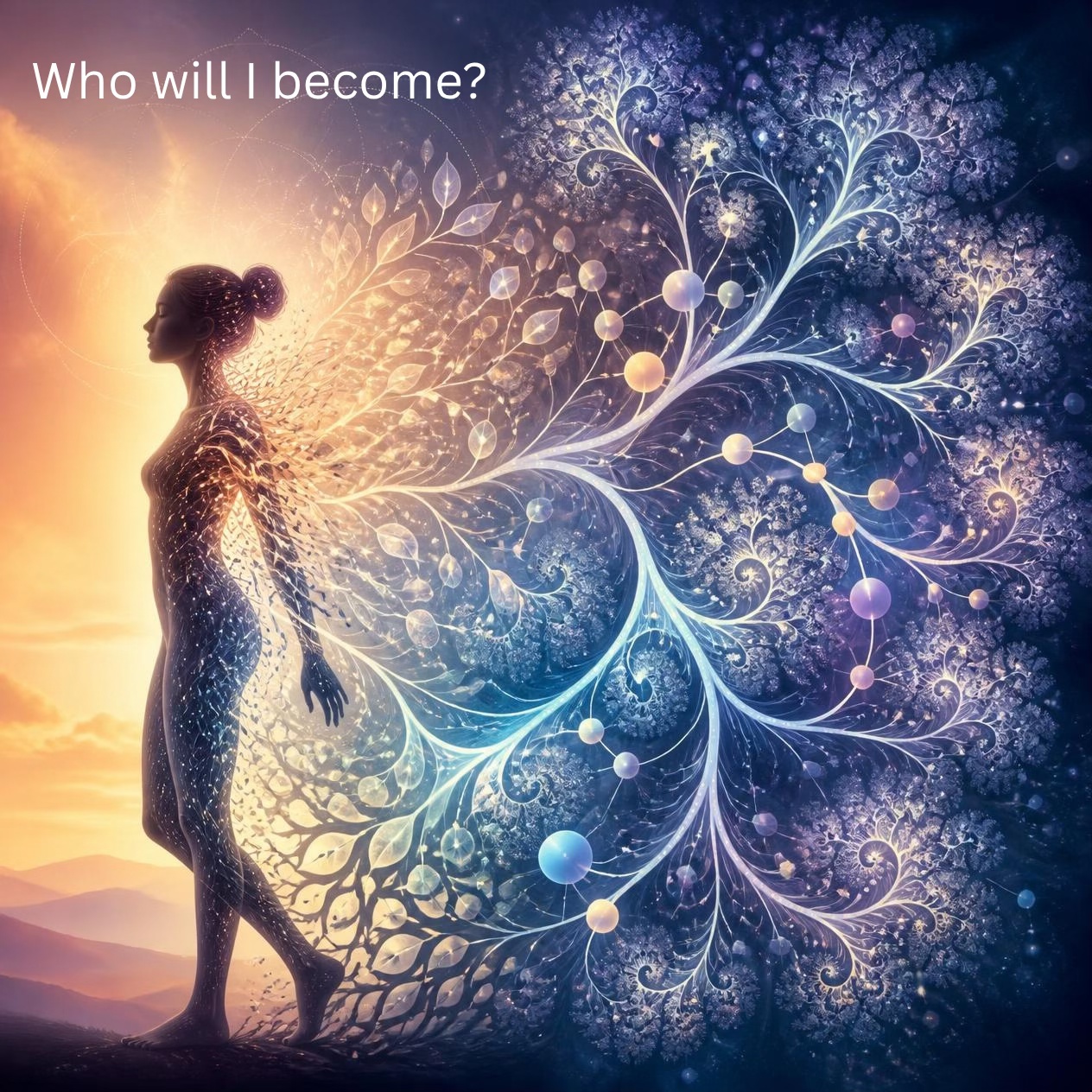
You may be afraid of becoming the person who chose it
She wanted out of the relationship.
It was toxic. And I don’t mean toxic in a psychobabble, join-the-“toxic marriage” club kind of way. This relationship fit the definition. Constant fighting, competing, manipulation, accusations…all of it.
But she didn’t leave. For the longest time, I thought it was because she was afraid of being alone, or of the financial pressure that would come with leaving.
It wasn’t.
What I learned much later was that she was afraid of changing her identity. She was more comfortable living in the war zone that was her marriage than becoming the single mom. The divorcee. The one whose marriage failed.
She wasn’t only afraid of what her life would look like if she left. She was afraid of who she would be.
I watch people make monumental decisions and embrace change all the time. And I’ve noticed that sometimes the greatest fear they contend with isn’t the change itself. It’s who they become as a result of making it.
In my 20s, I was fast-moving, ambitious, risk-seeking at my worst and risk-tolerant at my best. My life changed constantly. What didn’t change nearly as fast was how I viewed myself. My identity was much slower to shift than my decisions. I could make a new choice long before I had fully incorporated what that choice meant about who I was becoming.
Because choosing can make something real in a way that imagining it doesn’t.
A physician can fantasize about leaving medicine for years and still be a physician who is struggling. Actually leaving raises a different question: Who am I if I am no longer doing the thing I spent decades becoming?
A founder can know the company needs to close, but closing it means becoming the person who shut down the company.
Someone can know a relationship is over but still struggle with becoming the person who ended it.
And there’s a deeper layer still… Choosing change can feel like taking responsibility for everything that happens afterward.
· If circumstances force my hand, I don’t have to carry the same burden of authorship.
· If I get laid off, that’s different from resigning.
· If my partner leaves, that’s different from saying I’m done.
· If my health makes practicing impossible, that’s different from deciding I no longer want to practice.
In each case, the external change may look similar. But our relationship to it is very different. When something happens to us, we respond to what happened. When we choose it, we have to contend with the fact that we set it in motion.
That’s a different kind of responsibility. So resistance to change is complicated. Sometimes we resist the identity shift. We’re not ready for the new definition of self that might follow. Sometimes we resist the responsibility. We’re not ready to own what happens next without knowing how it will turn out. And sometimes, if we wait long enough, circumstances may make at least part of the decision for us.
There’s a hidden psychological payoff in that: Maybe something will happen that makes the decision for me. Then I don’t have to be the one who ended it, left it, closed it, changed it or disrupted everyone else’s life. I can react to what happened rather than become the author of what happens next.
Sometimes people genuinely need more information and more time. Not every delay is avoidance. Not every unanswered question needs an immediate answer.
But sometimes what looks like: “I’m not ready to make the decision.” is closer to: “I’m not ready to become the person who made it.”
And sometimes it’s: “I’m not ready to be responsible for everything that might follow.”
Those are different problems than not knowing what to do.
And perhaps that’s the question worth asking when we’ve been circling the same decision for months or years:
Am I actually afraid of the change?
Or am I afraid of who I’ll have to become if I’m the one who chooses it?
I’m no longer the fast-moving, ambitious, risk-seeking person I was in my 20s. I’ve become more in some ways, less in others.
Overall, I love who I’ve become. And I can hold the difficult and unwise choices I’ve made as freely as the wise and better ones. They all belong to me. So do the versions of myself who made them.
Leave a Reply